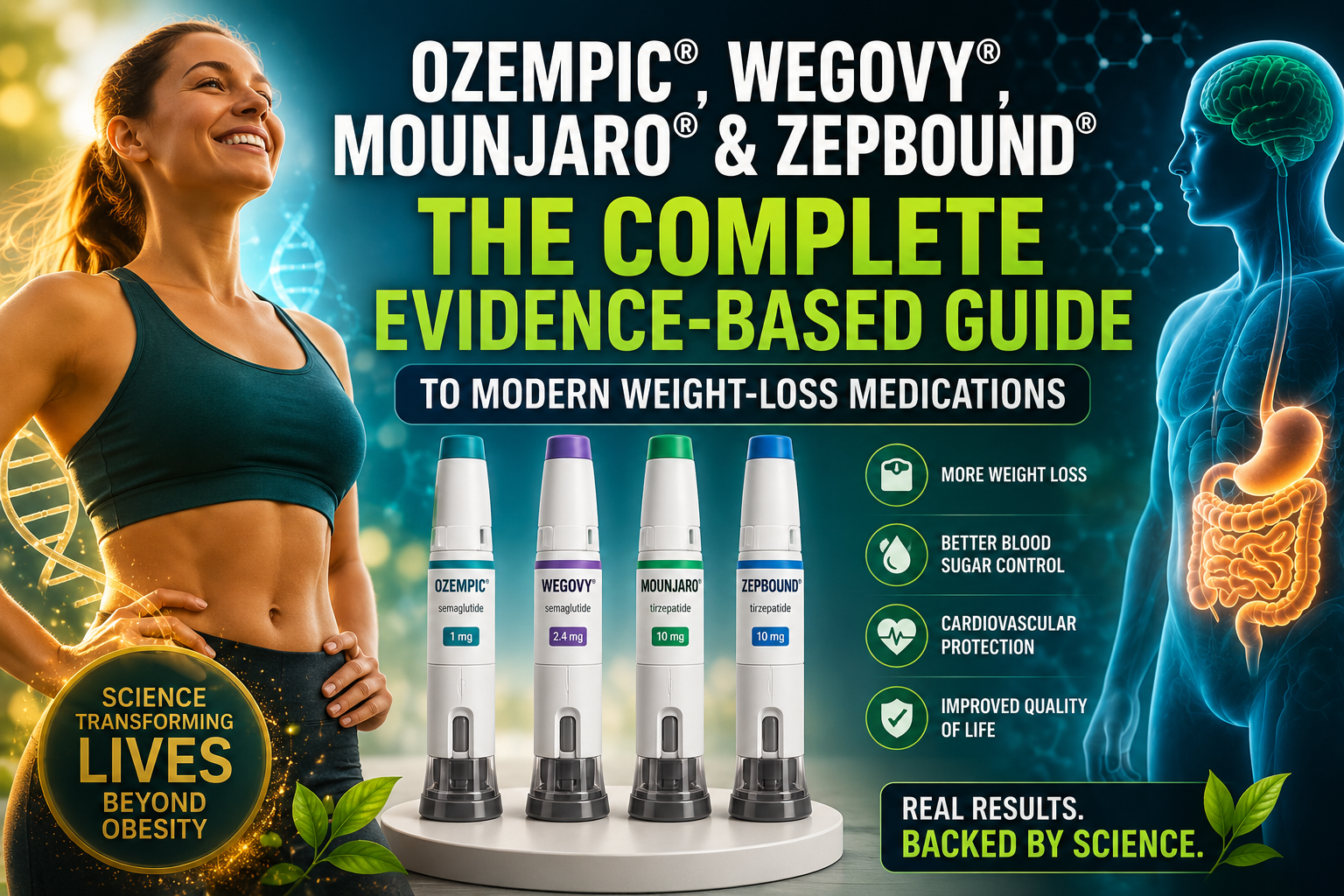

Evidence-Based Guide to GLP-1 and GIP Agonists, Weight Loss, Diabetes, Side Effects, Nutrition, Supplementation and Long-Term Safety
🌍 Introduction
Obesity is now recognized as a chronic, multifactorial disease rather than simply a consequence of poor lifestyle choices. It involves complex interactions between genetics, hormones, brain signaling, metabolism, environmental factors, and behavior. For many individuals, lifestyle interventions alone are insufficient to achieve meaningful and sustained weight loss.
In recent years, a new generation of medications—including Ozempic® (semaglutide), Wegovy® (semaglutide), Mounjaro® (tirzepatide), and Zepbound® (tirzepatide)—has transformed obesity treatment. These drugs target hormones naturally produced by the gastrointestinal tract that regulate hunger, satiety, insulin secretion, and energy balance. Large randomized clinical trials have demonstrated unprecedented weight-loss results, in some cases approaching those previously seen only after bariatric surgery.
However, these medications are not “magic injections.” Questions remain regarding long-term safety, maintenance of weight loss after discontinuation, preservation of lean muscle mass, nutritional deficiencies, appropriate supplementation, cardiovascular protection, and patient selection.
This comprehensive evidence-based guide reviews the latest scientific evidence regarding these medications, compares their mechanisms of action, discusses their benefits and risks, and provides practical recommendations for individuals considering or currently receiving treatment.
💉 Part 1 — Understanding the New Generation of Weight-Loss Medications
🧠 Why Is Obesity Considered a Chronic Disease?

Modern scientific evidence has fundamentally changed the understanding of obesity. Rather than being viewed solely as a result of overeating or insufficient physical activity, obesity is now recognized as a complex chronic disease involving dysregulation of appetite control, energy expenditure, hormonal signaling, inflammation, genetics, gut microbiota, and environmental influences.
The brain—particularly the hypothalamus and reward-related neural pathways—plays a central role in regulating hunger and satiety. When body weight decreases, the body activates multiple compensatory mechanisms designed to restore lost weight, including:
- Increased hunger signals
- Reduced satiety
- Lower resting energy expenditure
- Enhanced food reward responses
- Hormonal adaptations favoring weight regain
These biological adaptations explain why maintaining long-term weight loss through lifestyle changes alone is often difficult. Consequently, major international organizations—including the American Diabetes Association (ADA), the American Association of Clinical Endocrinology (AACE), and the European Association for the Study of Obesity (EASO)—recommend combining lifestyle interventions with pharmacotherapy when clinically appropriate.
🌿 The Gut–Brain Axis
One of the most important discoveries in obesity research has been the identification of the gut–brain axis, a bidirectional communication system linking the gastrointestinal tract with the central nervous system.
After food intake, intestinal cells release several hormones that travel through the bloodstream and activate receptors in the brain. These hormones regulate:
- Hunger
- Satiety
- Gastric emptying
- Blood glucose levels
- Insulin secretion
- Food reward
- Long-term energy balance
Among these hormones, GLP-1 (glucagon-like peptide-1) and GIP (glucose-dependent insulinotropic polypeptide) have become major therapeutic targets due to their beneficial metabolic effects.
🧬 GLP-1: The Hormone Behind Semaglutide
GLP-1 is naturally secreted by intestinal L-cells after meals.
Its physiological actions include:
- Increasing insulin secretion when blood glucose is elevated
- Suppressing glucagon release
- Delaying gastric emptying
- Promoting satiety
- Reducing hunger
- Improving glycemic control
Semaglutide, the active ingredient in Ozempic® and Wegovy®, is a synthetic GLP-1 receptor agonist designed to mimic these effects while remaining active for approximately one week.
⚡ GIP: A New Therapeutic Target
GIP is another incretin hormone released after food intake.
Although initially recognized for stimulating insulin secretion, recent research has demonstrated that GIP also influences:
- Appetite regulation
- Fat metabolism
- Energy utilization
- Adipose tissue function
Tirzepatide—the active ingredient in Mounjaro® and Zepbound®—is unique because it simultaneously activates both GLP-1 and GIP receptors, potentially producing greater metabolic benefits than GLP-1 receptor agonists alone.
⚖️ Why Are These Medications So Effective?
Unlike older weight-loss medications that primarily targeted a single pathway, GLP-1 and dual GIP/GLP-1 agonists influence multiple physiological systems simultaneously.
They reduce calorie intake by:
- Increasing fullness after meals
- Delaying stomach emptying
- Reducing food cravings
- Decreasing hedonic eating
- Improving insulin sensitivity
- Helping patients adhere more easily to calorie-restricted diets
Large clinical trials have shown average weight reductions that significantly exceed those achieved with previous anti-obesity medications, marking a major advance in obesity management.
💉 Part 2 — Ozempic®, Wegovy®, Mounjaro® and Zepbound®: What’s the Difference?

The rapid development of incretin-based therapies has transformed the treatment of obesity and type 2 diabetes. Although Ozempic®, Wegovy®, Mounjaro®, and Zepbound® are often grouped together in media reports, they are not identical medications. They differ in their approved indications, active ingredients, mechanisms of action, clinical efficacy, and the amount of scientific evidence supporting their use.
Understanding these differences is essential for patients and healthcare professionals to make informed, evidence-based treatment decisions.
💉 Ozempic® (Semaglutide)
Ozempic® contains semaglutide, a long-acting GLP-1 receptor agonist administered once weekly.
It was originally approved for the treatment of type 2 diabetes mellitus, with the primary goals of improving glycemic control and reducing cardiovascular risk in high-risk patients.
During large clinical trials, researchers observed that patients receiving semaglutide consistently experienced significant reductions in appetite and body weight, leading to further investigation of its role in obesity treatment.
Mechanism of Action
Semaglutide mimics the naturally occurring hormone GLP-1, producing several beneficial metabolic effects:
- Increases glucose-dependent insulin secretion
- Suppresses glucagon release
- Delays gastric emptying
- Reduces hunger
- Increases satiety
- Improves glycemic control
Main Clinical Benefits
- Excellent HbA1c reduction
- Significant weight loss
- Lower cardiovascular risk
- Convenient once-weekly administration
- Extensive long-term safety data
Common Adverse Effects
- Nausea
- Vomiting
- Constipation
- Diarrhea
- Abdominal discomfort
Most gastrointestinal symptoms improve gradually during dose escalation.
💉 Wegovy® (Semaglutide)
Although Wegovy® contains the same active ingredient (semaglutide) as Ozempic®, it is specifically approved for chronic weight management.
The major difference lies in the higher maintenance dose, allowing greater appetite suppression and more pronounced weight loss in individuals with obesity or overweight plus weight-related comorbidities.
Clinical Indications
Adults with:
- BMI ≥30 kg/m²
or
- BMI ≥27 kg/m² with obesity-related medical conditions such as hypertension, dyslipidemia, obstructive sleep apnea, or type 2 diabetes.
Weight-Loss Results
Large randomized clinical trials demonstrated average body weight reductions approaching 15% when Wegovy® was combined with lifestyle intervention.
These results represented one of the greatest advances in pharmacological obesity treatment before the introduction of tirzepatide.
💉 Mounjaro® (Tirzepatide)
Mounjaro® contains tirzepatide, the first medication that simultaneously activates both:
- GLP-1 receptors
- GIP receptors
For this reason, it is often described as a dual incretin receptor agonist.
Rather than stimulating only one hormonal pathway, tirzepatide enhances multiple physiological mechanisms involved in appetite regulation and glucose metabolism.
Potential Advantages
Compared with GLP-1 agonists alone, tirzepatide may provide:
- Greater appetite suppression
- Improved insulin sensitivity
- Better glucose control
- Higher average weight loss
- Improved metabolic flexibility
Clinical Trial Findings
The SURPASS clinical trial program demonstrated remarkable improvements in:
- HbA1c
- Body weight
- Waist circumference
- Cardiometabolic risk factors
Many participants achieved weight reductions previously observed primarily after bariatric surgery.
💉 Zepbound® (Tirzepatide)
Zepbound® contains the same active ingredient (tirzepatide) as Mounjaro® but is specifically approved for chronic weight management rather than diabetes treatment.
Its approval reflects the impressive obesity outcomes observed during the SURMOUNT clinical trial program.
Expected Benefits
Clinical studies have reported average weight-loss percentages exceeding those observed with previous GLP-1 receptor agonists, making tirzepatide one of the most effective pharmacological therapies currently available for obesity management.
In addition to weight reduction, patients frequently experience improvements in:
- Blood pressure
- Blood glucose
- Insulin resistance
- Waist circumference
- Liver fat accumulation
- Quality of life
📊 Comparing the Four Medications

🔬 Which Medication Appears to Be the Most Effective?
Current evidence suggests that all four medications are highly effective when combined with healthy lifestyle changes. However, head-to-head comparisons and large clinical trial programs indicate that tirzepatide-based therapies (Mounjaro® and Zepbound®) generally produce greater average weight loss than semaglutide-based therapies in many patient populations.
Despite these impressive results, medication choice should never be based solely on weight-loss percentages. Factors such as the presence of type 2 diabetes, cardiovascular disease, liver disease, gastrointestinal tolerance, contraindications, medication availability, cost, and individual treatment goals must all be considered.
For this reason, current international guidelines recommend that treatment decisions be individualized and made in partnership with a qualified healthcare professional.
🌿 Part 3 — Maximizing Results While Minimizing Side Effects: Nutrition, Exercise, Supplementation and Long-Term Success

The remarkable effectiveness of GLP-1 receptor agonists and dual GIP/GLP-1 agonists has transformed obesity treatment. However, the medication itself is only one component of successful long-term weight management.
Scientific evidence consistently demonstrates that the greatest and most sustainable improvements occur when pharmacotherapy is combined with high-quality nutrition, adequate protein intake, resistance training, regular physical activity, and long-term behavioral changes.
Equally important is recognizing and preventing potential adverse effects—including muscle loss, nutritional deficiencies, gastrointestinal symptoms, and weight regain after discontinuation.
This section reviews the latest evidence-based strategies to maximize treatment benefits while preserving metabolic health.
🍽️ High-Protein Nutrition: Protecting Lean Muscle During Weight Loss
One of the greatest concerns during rapid weight loss is the unintended reduction in lean body mass.
Although GLP-1 and GIP agonists primarily promote fat loss, decreases in muscle mass may also occur, particularly when protein intake is inadequate or resistance exercise is absent.
Current nutrition guidelines recommend prioritizing:
- Lean poultry
- Fish
- Eggs
- Greek yogurt
- Cottage cheese
- Legumes
- Soy products
- Whey protein when dietary intake is insufficient
Most experts recommend approximately 1.2–1.6 g of protein per kilogram of body weight per day, with individualized adjustments based on age, exercise level, kidney function, and clinical goals.
Adequate protein intake supports:
- Muscle preservation
- Recovery from exercise
- Satiety
- Functional capacity
- Healthy aging
🏋️ Resistance Training: The Best Partner for GLP-1 Therapy

Exercise enhances the benefits of pharmacological treatment, but resistance training deserves special attention.
Strength training stimulates muscle protein synthesis, helping offset the natural decline in lean mass that can accompany rapid weight loss.
Potential benefits include:
- Preservation of muscle mass
- Increased strength
- Improved insulin sensitivity
- Higher resting metabolic rate
- Better functional independence
- Reduced risk of weight regain
Most international guidelines recommend performing resistance training 2–3 times per week, progressively increasing intensity according to individual capacity.
💧 Hydration Matters More Than Many Patients Realize
Because these medications slow gastric emptying and reduce appetite, many individuals unintentionally consume less fluid throughout the day.
Adequate hydration may help reduce:
- Constipation
- Fatigue
- Headaches
- Dizziness
- Kidney stone risk
Water should remain the primary beverage, while excessive intake of sugar-sweetened drinks and alcohol should be minimized.
💊 Evidence-Based Supplementation
Supplements should complement—not replace—a balanced diet.
Depending on dietary intake and clinical evaluation, some individuals may benefit from:
🥛 Whey Protein
Useful when daily protein requirements cannot be achieved through food alone.
🌞 Vitamin D
Supplementation may be appropriate for individuals with confirmed deficiency or high-risk groups.
🧬 Vitamin B12
Particularly relevant in patients taking metformin or with documented deficiency.
🐟 Omega-3 Fatty Acids
May support cardiovascular health and help improve lipid profiles.
🌾 Psyllium Fiber
Can promote bowel regularity and increase satiety.
⚡ Electrolytes
May benefit selected individuals experiencing prolonged vomiting or reduced food intake, but routine supplementation is not necessary for everyone.
Supplement use should ideally be individualized based on clinical assessment and laboratory findings.
⚠️ Common Side Effects

Most adverse effects are mild to moderate and occur during dose escalation.
The most frequently reported include:
- Nausea
- Vomiting
- Constipation
- Diarrhea
- Abdominal discomfort
- Early satiety
- Reduced appetite
Gradual dose titration, smaller meals, slower eating, and avoiding high-fat meals often improve tolerability.
Patients should seek medical attention if they experience severe or persistent abdominal pain, repeated vomiting, or signs of dehydration.
🧠 Can Weight Return After Stopping Treatment?
One of the most important findings from recent clinical research is that weight regain is common after discontinuation of GLP-1 and GIP agonists if healthy lifestyle habits are not maintained.
These medications help regulate appetite while they are being used, but they do not permanently eliminate the biological mechanisms that favor weight regain.
Long-term success depends on maintaining:
- Healthy eating habits
- Regular physical activity
- Resistance training
- Adequate sleep
- Stress management
- Continued medical follow-up
🌟 Practical Strategies for Long-Term Success
Patients who achieve the best outcomes generally combine medication with sustainable lifestyle changes.
Evidence-based recommendations include:
- Prioritize protein at every meal.
- Perform resistance training at least twice weekly.
- Include regular aerobic exercise.
- Stay well hydrated.
- Increase fiber intake gradually.
- Monitor body composition—not just body weight.
- Attend regular follow-up appointments with healthcare professionals.
- Avoid viewing medication as a substitute for healthy habits.
❓ Frequently Asked Questions (FAQ)
1. Which medication leads to the greatest weight loss?
Current evidence suggests that tirzepatide-based medications (Mounjaro® and Zepbound®) generally produce greater average weight loss than semaglutide-based therapies (Ozempic® and Wegovy®). However, treatment should always be individualized based on medical history, treatment goals, tolerability, and healthcare professional recommendations.
2. What is the difference between Ozempic® and Wegovy®?
Both medications contain semaglutide. The main difference is their approved indication:
- Ozempic® is primarily approved for the treatment of type 2 diabetes.
- Wegovy® is specifically approved for chronic weight management in eligible adults with obesity or overweight and obesity-related conditions.
3. What is the difference between Mounjaro® and Zepbound®?
Both contain tirzepatide, a dual GIP/GLP-1 receptor agonist.
- Mounjaro® is primarily indicated for type 2 diabetes.
- Zepbound® is approved for obesity and chronic weight management.
Although they share the same active ingredient, regulatory approval and prescribing indications differ.
4. Do these medications replace diet and exercise?
No.
Clinical studies consistently demonstrate that the best outcomes occur when medication is combined with:
- A balanced diet
- Adequate protein intake
- Resistance training
- Regular physical activity
- Long-term lifestyle changes
Medication should be viewed as part of a comprehensive treatment strategy rather than a replacement for healthy habits.
5. Can I lose muscle while taking GLP-1 medications?
Yes.
Rapid weight loss may lead to reductions in lean body mass if protein intake and resistance exercise are inadequate.
To help preserve muscle:
- Prioritize high-quality protein
- Perform resistance training regularly
- Maintain adequate calorie intake according to professional guidance
6. Should I take supplements while using Ozempic®, Wegovy®, Mounjaro®, or Zepbound®?
Not necessarily.
Supplements should only be used when clinically appropriate.
Depending on individual needs, healthcare professionals may recommend:
- Whey protein
- Vitamin D
- Vitamin B12
- Omega-3 fatty acids
- Psyllium fiber
- Electrolytes (in selected situations)
A balanced diet remains the foundation of nutritional care.
7. What are the most common side effects?
The most frequently reported adverse effects include:
- Nausea
- Vomiting
- Constipation
- Diarrhea
- Abdominal discomfort
- Early satiety
These symptoms are usually mild to moderate and often improve during dose escalation.
8. Will I regain weight if I stop the medication?
Possibly.
Clinical trials have shown that many individuals regain part of the lost weight after discontinuing treatment if healthy lifestyle habits are not maintained.
Long-term success depends on:
- Healthy nutrition
- Regular exercise
- Behavioral support
- Ongoing medical follow-up
9. Are these medications safe for long-term use?
Current evidence supports their safety when prescribed appropriately and monitored by healthcare professionals.
However, long-term treatment should include regular assessment of:
- Nutritional status
- Gastrointestinal symptoms
- Kidney function (when clinically indicated)
- Blood glucose control
- Body composition
- Overall treatment response
10. Who should avoid these medications?
These medications may not be appropriate for everyone.
They are generally contraindicated or require careful evaluation in individuals with certain conditions, including:
- Personal or family history of medullary thyroid carcinoma
- Multiple Endocrine Neoplasia syndrome type 2 (MEN2)
- Known hypersensitivity to the medication
- Certain severe gastrointestinal disorders
Pregnant or breastfeeding individuals should discuss treatment options with their healthcare provider.
🛒 Recommended Evidence-Based Products
Disclosure: Some links below may be affiliate links. This means we may earn a small commission at no additional cost to you if you purchase through these links. We only recommend products that align with current scientific evidence and may complement a healthy lifestyle.
🥛 1. Whey Protein Isolate
Why it may help
Adequate protein intake is one of the most important strategies for preserving lean muscle mass during rapid weight loss. High-quality whey protein can help individuals who struggle to meet their daily protein needs while using GLP-1 or GIP medications.
Recommended features
- High protein content per serving
- Low sugar
- Third-party tested
- Minimal artificial ingredients
- Optimum Nutrition Gold Standard Whey
- Dymatize ISO100
- Isopure Zero Carb Whey
- Transparent Labs Grass-Fed Whey
🌾 2. Psyllium Fiber Supplement
Why it may help
Psyllium may improve bowel regularity, increase satiety, and support healthy cholesterol levels, making it a useful addition for individuals experiencing constipation during treatment.
- NOW Psyllium Husk
- Metamucil Sugar-Free
- Viva Naturals Psyllium Husk
🐟 3. Omega-3 Fish Oil
Why it may help
Omega-3 fatty acids support cardiovascular health, healthy triglyceride levels, and overall metabolic function, particularly in patients with obesity or type 2 diabetes.
- Nordic Naturals Ultimate Omega
- Sports Research Omega-3
- Carlson The Very Finest Fish Oil
💪 4. Adjustable Dumbbells or Resistance Bands
Why it may help
Resistance training is one of the most effective ways to preserve muscle mass and strength during weight loss.
- Bowflex Adjustable Dumbbells
- Fit Simplify Resistance Bands
- TRX Suspension Trainer
⚖️ 5. Smart Body Composition Scale
Why it may help
Tracking body composition provides more meaningful feedback than body weight alone, helping users monitor changes in fat mass and lean muscle.
- Withings Body Smart
- RENPHO Smart Scale
- Eufy Smart Scale
💧 6. Insulated Water Bottle
Why it may help
Reduced appetite may also lead to lower fluid intake. A reusable water bottle encourages consistent hydration throughout the day.
- Hydro Flask
- Stanley IceFlow
- YETI Rambler
🥗 7. Meal Prep Containers
Why it may help
Planning meals in advance supports portion control, improves dietary adherence, and reduces reliance on highly processed foods.
- Rubbermaid Brilliance
- Freshware Meal Prep Containers
- Bentgo Prep
📚 8. Evidence-Based Nutrition & Weight Management Books
Why it may help
Understanding nutrition and behavior change can improve long-term adherence and support healthier lifestyle choices.
Look for books written by registered dietitians, obesity medicine specialists, or academic researchers.
⚠️ Clinical Advisory
Medical Disclaimer: This article is intended for educational purposes only and should not be considered a substitute for professional medical advice, diagnosis, or treatment.
Although Ozempic® (semaglutide), Wegovy® (semaglutide), Mounjaro® (tirzepatide), and Zepbound® (tirzepatide) have demonstrated remarkable effectiveness in the treatment of obesity and type 2 diabetes, they are prescription medications that should only be used under the supervision of a qualified healthcare professional.
These therapies are not appropriate for everyone. Individual factors—including medical history, current medications, kidney function, gastrointestinal disorders, pregnancy status, and personal treatment goals—must be carefully evaluated before starting therapy.
Likewise, nutritional supplements—including protein powders, omega-3 fatty acids, vitamins, minerals, and dietary fiber—may complement a healthy lifestyle but should never replace a balanced diet, regular physical activity, or evidence-based medical treatment.
Successful long-term weight management requires a comprehensive approach that combines:
- 🥗 Balanced nutrition
- 💪 Resistance and aerobic exercise
- 😴 Adequate sleep
- 🧠 Behavioral and psychological support when appropriate
- 💊 Evidence-based pharmacotherapy when clinically indicated
- 👨⚕️ Regular follow-up with qualified healthcare professionals
Current scientific evidence strongly supports the use of GLP-1 and dual GIP/GLP-1 receptor agonists as valuable therapeutic options for selected patients. However, no medication should be viewed as a “quick fix” or a replacement for sustainable lifestyle changes.
Evidence-Based Recommendation: The best long-term outcomes are achieved when modern anti-obesity medications are combined with healthy nutrition, regular exercise, muscle-preserving strategies, and individualized medical care. Patients should always consult their healthcare provider before starting, stopping, or changing any medication or supplement regimen.
🔗 Suggested Internal Links
To strengthen your site’s topical authority, add links to these related StrategicHealths articles (preserving the published titles):
- 💊 Type 2 Diabetes Medications and Supplements: What Science Really Says
- 🌿 Cannabis and Binge Eating in Obesity: What Do Current Scientific Studies Really Show? (2026)
- 🫀 Fatty Liver (MASLD): Can Exercise and Supplements Reverse Liver Fat? What Science Really Says
- 🧠 Chronic Stress: What Science Really Says About Its Effects on the Body
- 🌿 Ashwagandha: Benefits, Dosage, Safety, and What Science Really Says (2026)
- 🐟 Omega-3 Benefits: What Science Really Says About Heart, Brain, and Longevity
- 💉 GLP-1 Receptor Agonists
🏁 Conclusion
Modern incretin-based therapies—including Ozempic®, Wegovy®, Mounjaro®, and Zepbound®—represent one of the greatest advances in obesity treatment in recent decades. By targeting GLP-1 and GIP pathways, these medications help reduce appetite, improve glycemic control, and achieve clinically meaningful weight loss in many patients.
However, their greatest benefits occur when integrated into a comprehensive, evidence-based approach that includes balanced nutrition, sufficient protein intake, resistance training, physical activity, behavioral support, and long-term medical follow-up.
Obesity is a chronic disease that requires individualized care. These medications are powerful tools, but sustainable success depends on combining pharmacotherapy with healthy lifestyle strategies to improve not only body weight, but also overall metabolic health and quality of life.
References
- American Diabetes Association Professional Practice Committee. Pharmacologic Treatment of Obesity in Adults: Standards of Care in Overweight and Obesity. BMJ Open Diabetes Research & Care. 2026;13(Suppl 1):e005729.
- American Diabetes Association Professional Practice Committee. Standards of Care in Diabetes—2026. Section 8: Obesity and Weight Management for the Prevention and Treatment of Diabetes. Diabetes Care. 2026;49(Suppl 1):S166–S182.
- American College of Physicians. Pharmacologic Treatments With Lifestyle Modifications in Nonpregnant Adults With Overweight or Obesity in Outpatient Settings: A Living Clinical Guideline. Annals of Internal Medicine. 2026.
- American Gastroenterological Association Clinical Practice Guideline. Pharmacological Interventions for Adults With Obesity. 2022.
- Garvey WT, Mechanick JI, Brett EM, et al. American Association of Clinical Endocrinologists and American College of Endocrinology Comprehensive Clinical Practice Guidelines for Medical Care of Patients with Obesity. Endocrine Practice. 2016;22(Suppl 3):1–203.
- Wilding JPH, Batterham RL, Calanna S, et al. Once-Weekly Semaglutide in Adults with Overweight or Obesity (STEP 1). New England Journal of Medicine. 2021;384:989–1002.
- Rubino D, Abrahamsson N, Davies M, et al. Effect of Continued Weekly Subcutaneous Semaglutide vs Placebo on Weight Loss Maintenance in Adults with Overweight or Obesity (STEP 4). JAMA. 2021;325(14):1414–1425.
- Wadden TA, Bailey TS, Billings LK, et al. Effect of Subcutaneous Semaglutide vs Placebo as an Adjunct to Intensive Behavioral Therapy (STEP 3). JAMA. 2021;325(14):1403–1413.
- Jastreboff AM, Aronne LJ, Ahmad NN, et al. Tirzepatide Once Weekly for the Treatment of Obesity (SURMOUNT-1). New England Journal of Medicine. 2022;387:205–216.
- Aronne LJ, Sattar N, Horn DB, et al. Continued Treatment With Tirzepatide for Maintenance of Weight Reduction in Adults With Obesity (SURMOUNT-4). JAMA. 2024.
- Lincoff AM, Brown-Frandsen K, Colhoun HM, et al. Semaglutide and Cardiovascular Outcomes in Obesity Without Diabetes (SELECT Trial). New England Journal of Medicine. 2023.
- Novo Nordisk. Ozempic® (Semaglutide) Prescribing Information. Updated 2026.
- Novo Nordisk. Wegovy® (Semaglutide) Prescribing Information. Updated 2026.
- Eli Lilly and Company. Mounjaro® (Tirzepatide) Prescribing Information. Updated 2026.
- Eli Lilly and Company. Zepbound® (Tirzepatide) Prescribing Information. Updated 2026.
- World Health Organization. Guideline on the Use of GLP-1 Receptor Agonists for Obesity. 2025.
- Davies MJ, Aroda VR, Collins BS, et al. Management of Hyperglycemia in Type 2 Diabetes: ADA/EASD Consensus Report. Diabetes Care.
- Kushner RF, Kahan S. Introduction: The State of Obesity in 2026. Medical Clinics of North America.
- Wharton S, Astrup A, Endahl L, et al. Weight Management With Semaglutide: Evidence From the STEP Clinical Trial Program. The Lancet.
- Frias JP, Nauck MA, Van J, et al. Tirzepatide Versus Semaglutide in Patients With Type 2 Diabetes (SURPASS-2). New England Journal of Medicine. 2021.
Leave a Reply