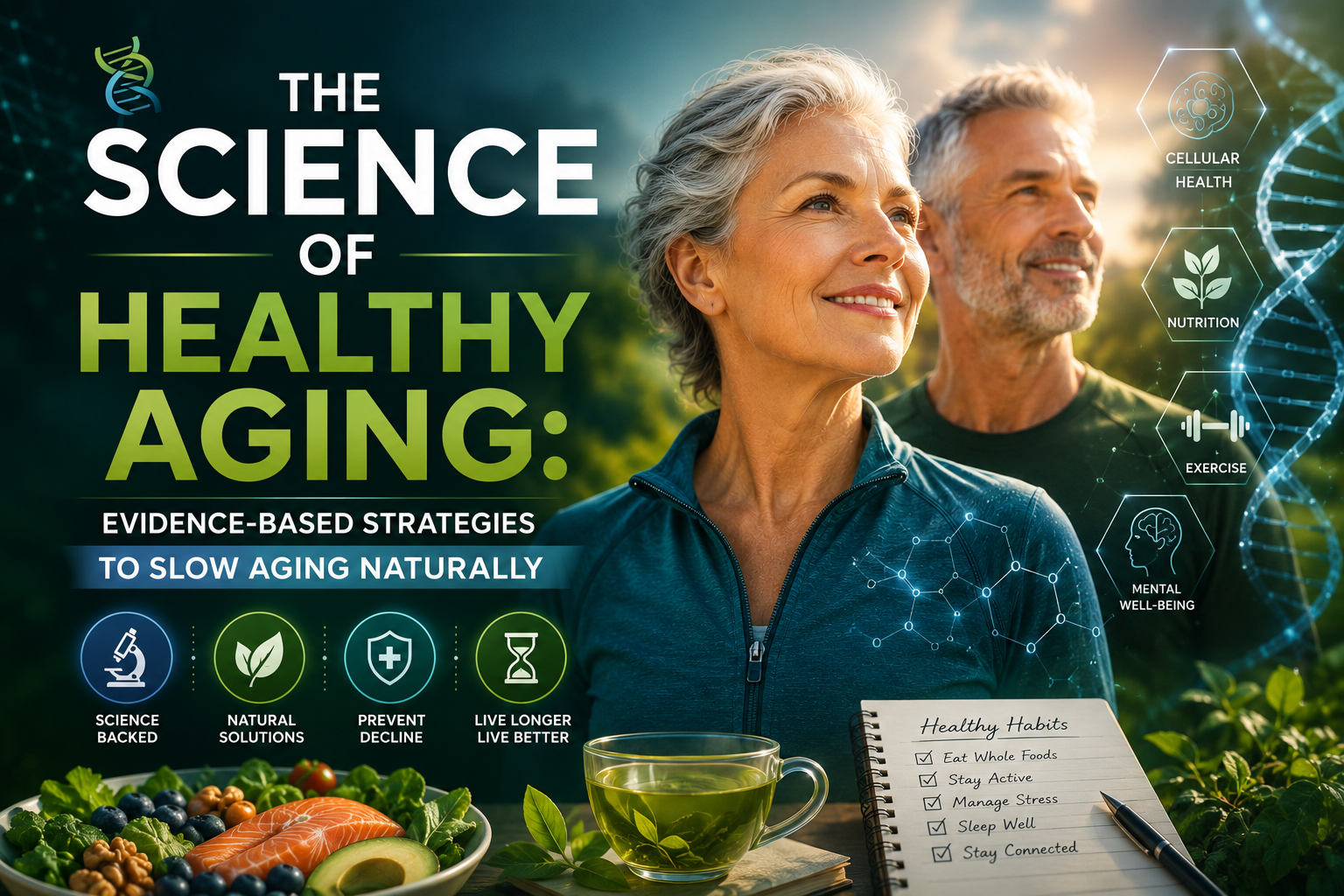
Part 1 — Understanding Biological Aging: Why We Age and How Science Is Changing the Future
By Matheus Lucas Araújo Sousa, PharmD
Estimated Reading Time: 10–12 minutes

🌍 Introduction
For centuries, humanity has searched for the secret to living longer. Ancient civilizations sought mythical elixirs of youth, while modern science has shifted its focus toward understanding the biological mechanisms that drive aging.
Today, researchers agree on an important concept:
Aging is not simply the passage of time—it is the gradual accumulation of biological changes that reduce the body’s ability to repair itself and maintain optimal function.
This means that two individuals who are both 60 years old may have dramatically different health profiles. One may remain physically active, mentally sharp, and free of chronic disease, while the other may experience frailty, cardiovascular disease, cognitive decline, or diabetes.
The difference lies not only in genetics but also in lifestyle, environmental exposures, nutrition, sleep quality, physical activity, stress management, and, in selected situations, evidence-based supplementation.
Recent advances in molecular biology, nutrition, and preventive medicine have demonstrated that many of the biological processes associated with aging can be influenced by healthy habits. Although no intervention can stop aging completely, scientific evidence suggests that it is possible to support healthy aging, preserve physical and cognitive function, and reduce the risk of age-related diseases.
In this guide, we explore the biological foundations of aging and explain how lifestyle and targeted supplementation may contribute to maintaining health throughout life.
🧬 Chronological Age vs Biological Age
Most people think age is simply the number of birthdays they have celebrated.
However, scientists distinguish between chronological age and biological age.
Chronological Age
Chronological age represents the number of years a person has lived since birth. It progresses at the same rate for everyone and cannot be altered.
Biological Age
Biological age reflects how well—or how poorly—the body’s organs, tissues, and cells are functioning compared with what would typically be expected for a person’s chronological age.
Biological aging is influenced by factors such as:
- 🥗 Nutrition
- 🏃 Physical activity
- 😴 Sleep quality
- 🚭 Smoking status
- 🍷 Alcohol consumption
- ☀️ Sun exposure
- 🧠 Psychological stress
- 🧬 Genetics
- 🦠 Chronic inflammation
- 🦠 Gut microbiome composition
For example, two 55-year-old individuals may have markedly different biological ages. One who exercises regularly, maintains a balanced diet, sleeps well, and avoids smoking may have the physiological profile of someone considerably younger. Conversely, long-term exposure to poor lifestyle habits can accelerate biological aging.
This concept has become central to preventive medicine because improving biological health may reduce the risk of chronic disease and preserve quality of life.
🔬 What Happens Inside Our Cells?
Every second, trillions of cells within the human body carry out essential processes to sustain life.
These include:
- DNA replication
- Energy production
- Protein synthesis
- Immune defense
- Tissue repair
- Hormone production
- Cellular communication
Over time, these processes become less efficient.
Cells gradually accumulate molecular damage due to factors such as:
- Oxidative stress
- Chronic inflammation
- DNA mutations
- Environmental toxins
- Ultraviolet radiation
- Hyperglycemia
- Aging itself
Although the body possesses sophisticated repair systems, these mechanisms gradually become less effective with age, allowing damage to accumulate.
This cumulative damage contributes to reduced cellular performance and increases susceptibility to age-related diseases.
⚡ Mitochondria: The Cell’s Powerhouse
Mitochondria are often described as the power plants of the cell because they generate adenosine triphosphate (ATP), the molecule that supplies energy for nearly every biological process.
Organs with high energy demands—such as the brain, heart, skeletal muscles, liver, and kidneys—contain especially large numbers of mitochondria.
Healthy mitochondria support:
- ❤️ Cardiac function
- 🧠 Cognitive performance
- 💪 Muscle contraction
- 🚶 Physical endurance
- 🛡️ Cellular repair
- ⚡ Metabolic efficiency
With advancing age, mitochondrial function tends to decline.
This decline may contribute to:
- Fatigue
- Reduced exercise capacity
- Loss of muscle strength
- Cognitive impairment
- Slower tissue repair
One factor that has received significant scientific attention is Coenzyme Q10 (CoQ10), a naturally occurring compound involved in mitochondrial energy production. CoQ10 levels tend to decrease with age, and supplementation has been investigated in selected populations, particularly older adults and individuals with cardiovascular conditions.
Internal Link Suggestion: Read our complete guide: Coenzyme Q10 (CoQ10): Benefits, Uses, Dosage, Side Effects, and What Science Really Says.
🔥 Oxidative Stress: When Free Radicals Outnumber Antioxidants

Normal metabolism continuously produces molecules known as reactive oxygen species (ROS), commonly referred to as free radicals.
In controlled amounts, ROS play important physiological roles, including immune defense and cell signaling.
However, excessive production—combined with insufficient antioxidant defenses—results in oxidative stress.
Oxidative stress can damage:
- DNA
- Proteins
- Cell membranes
- Mitochondria
- Lipids
This damage has been associated with several chronic conditions, including:
- Cardiovascular disease
- Type 2 diabetes
- Neurodegenerative diseases
- Chronic kidney disease
- Certain cancers
Diets rich in fruits, vegetables, whole grains, legumes, nuts, and healthy fats provide antioxidants that help maintain oxidative balance. Regular physical activity, adequate sleep, and smoking cessation also contribute to reducing oxidative stress.
🔥 Chronic Inflammation: Understanding Inflammaging
Inflammation is a natural defense mechanism that protects the body from infection and injury.
Acute inflammation is beneficial because it promotes healing.
The problem arises when inflammation becomes chronic and persists even in the absence of infection.
Researchers use the term inflammaging to describe the low-grade, persistent inflammation commonly observed during aging.
Chronic inflammation has been linked to:
- Atherosclerosis
- Alzheimer’s disease
- Osteoarthritis
- Sarcopenia
- Type 2 diabetes
- Metabolic syndrome
Lifestyle factors that may contribute to chronic inflammation include:
- Diets high in ultra-processed foods
- Physical inactivity
- Obesity
- Poor sleep
- Smoking
- Chronic psychological stress
Conversely, regular exercise, weight management, adequate sleep, and dietary patterns such as the Mediterranean diet have been associated with lower levels of inflammatory markers.
🧬 Telomeres: The Protective Caps of Our Chromosomes
Telomeres are specialized DNA sequences located at the ends of chromosomes.
They function much like the plastic tips on shoelaces, helping protect genetic material during cell division.
Each time a cell divides, telomeres become slightly shorter.
When they become critically short, the cell loses its ability to divide effectively and may enter a state known as cellular senescence or undergo programmed cell death.
Telomere shortening is considered one of the biological features associated with aging.
Although researchers are actively studying ways to preserve telomere function, current evidence supports lifestyle measures—rather than unproven anti-aging therapies—as the most reliable approach to promoting healthy aging.
🧪 Cellular Senescence
Not all aging cells die.
Some remain alive but stop dividing.
These are called senescent cells.
Senescent cells release inflammatory molecules that may negatively influence neighboring healthy cells.
Over time, the accumulation of senescent cells has been associated with:
- Reduced tissue regeneration
- Increased inflammation
- Impaired immune function
- Higher risk of chronic disease
This field of research has expanded rapidly in recent years and represents one of the most promising areas in longevity science.
🌱 The Good News: Healthy Aging Is Not Determined by Genetics Alone
Although genetics influence longevity, lifestyle plays a substantial role in determining how people age.
Scientific evidence consistently supports several habits associated with healthier aging:
- 🥗 Balanced nutrition
- 🏃 Regular physical activity
- 😴 High-quality sleep
- 🚭 Avoiding tobacco
- 🍷 Limiting alcohol intake
- ⚖️ Maintaining a healthy body weight
- 🧘 Stress management
- 🦠 Supporting gut health
- 💊 Using supplements only when appropriate and supported by evidence
Rather than seeking a single “anti-aging” solution, experts recommend a comprehensive approach that combines multiple healthy behaviors over the long term.
📌 Part 1 Summary
Healthy aging is the result of complex interactions between genetics, cellular biology, lifestyle, and environmental factors.
Processes such as mitochondrial dysfunction, oxidative stress, chronic inflammation, telomere shortening, and cellular senescence contribute to biological aging. While these mechanisms cannot be completely prevented, evidence suggests they can be influenced by healthy habits and preventive healthcare strategies.
In Part 2, we will explore the lifestyle interventions with the strongest scientific support—including nutrition, exercise, sleep, stress management, gut health, and metabolic health—and discuss how these strategies work together to promote longevity and preserve quality of life.
Coming Next: Part 2 — Lifestyle Strategies That Promote Healthy Aging
🧠 Brain Health and Cognitive Longevity

One of the greatest concerns associated with aging is the gradual decline in cognitive function. Although some changes are considered part of normal aging, research shows that many lifestyle factors can help preserve brain health and reduce the risk of cognitive impairment.
The brain depends on a continuous supply of oxygen, glucose, healthy fats, vitamins, minerals, and physical activity to function optimally. Chronic inflammation, oxidative stress, poor sleep, sedentary behavior, and uncontrolled cardiovascular risk factors may negatively affect cognitive performance over time.
Strategies That Support Brain Health
Scientific evidence suggests that the following habits are associated with better cognitive aging:
- 🧩 Lifelong learning and mental stimulation
- 📚 Reading and acquiring new skills
- 🏃 Regular physical activity
- 🐟 Omega-3-rich diet
- 😴 Adequate sleep
- ❤️ Blood pressure control
- 🍎 Mediterranean-style nutrition
- 👥 Strong social relationships
- 🚭 Avoiding smoking
Several nutrients, including omega-3 fatty acids, vitamin D, magnesium, and creatine, have also been investigated for their potential roles in supporting normal brain function when used appropriately.
Internal Links:
- Omega-3 Benefits: What Science Really Says About Heart, Brain, and Longevity
- Creatine: Benefits, Safety, Dosage, and How It Works
- Vitamin D Deficiency: Symptoms, Causes, Treatment, and Prevention
❤️ Cardiovascular Health: The Foundation of Longevity
Cardiovascular disease remains one of the leading causes of death worldwide. Fortunately, many of its major risk factors are modifiable.
Maintaining a healthy heart supports adequate blood flow to every organ, including the brain, kidneys, muscles, and skin.
Heart-Healthy Habits
- Maintain healthy blood pressure
- Keep cholesterol within recommended ranges
- Stay physically active
- Maintain a healthy body weight
- Consume healthy fats
- Reduce sodium intake when appropriate
- Avoid tobacco
- Prioritize quality sleep
A heart-healthy lifestyle not only reduces cardiovascular risk but also contributes to healthier aging overall.
🦴 Bone Health Throughout Life
Bone mass naturally declines with age, increasing the risk of osteopenia, osteoporosis, and fractures.
Healthy bones depend on a combination of:
- Weight-bearing exercise
- Adequate calcium intake
- Vitamin D
- Sufficient dietary protein
- Magnesium
- Healthy body weight
Regular resistance exercise remains one of the most effective strategies for maintaining bone strength during aging.
Internal Links:
- Vitamin D Deficiency: Symptoms, Causes, Treatment, and Prevention
- Magnesium Benefits: What Science Really Says About This Essential Mineral
🛡️ Immune System and Healthy Aging
The immune system also changes with age, a process often referred to as immunosenescence.
These changes may contribute to:
- Increased susceptibility to infections
- Reduced vaccine responses
- Slower recovery from illness
- Higher levels of chronic inflammation
Supporting immune health includes:
- Adequate sleep
- Regular exercise
- Balanced nutrition
- Stress reduction
- Maintaining a healthy gut microbiome
- Staying up to date with recommended vaccinations
🌍 Healthy Aging Is About Consistency
Many people search for a single supplement capable of reversing aging.
However, decades of research consistently point toward a different conclusion:
Longevity is built through consistent daily habits rather than isolated interventions.
Healthy aging is the result of countless small decisions repeated over many years:
- Choosing nutritious foods
- Staying physically active
- Prioritizing sleep
- Managing stress
- Maintaining social connections
- Following preventive healthcare recommendations
These behaviors work together to reduce inflammation, support mitochondrial function, preserve muscle mass, protect cardiovascular health, and maintain cognitive performance.
Part 3 – Evidence-Based Supplements for Healthy Aging
By Matheus Lucas Araújo Sousa, PharmD
Estimated Reading Time: 12–15 minutes

💊 Introduction
Healthy aging begins with lifestyle. However, when nutrition, exercise, sleep, and preventive healthcare are already in place, certain dietary supplements may provide additional support for specific physiological functions.
It is important to emphasize that no supplement can stop or reverse aging. Instead, supplements should be viewed as complementary tools that may help maintain health when used appropriately and supported by scientific evidence.
The following sections summarize the supplements with the strongest evidence related to healthy aging.
⚡ Coenzyme Q10 (CoQ10)
Coenzyme Q10 is a naturally occurring antioxidant concentrated in the mitochondria, where it plays an essential role in ATP production.
As people age, endogenous CoQ10 production gradually declines.
Potential Benefits
- ⚡ Supports mitochondrial energy production
- ❤️ Helps maintain cardiovascular health
- 🧠 May support cognitive function
- 💪 Supports physical performance
- 🛡️ Antioxidant activity
Common Dosage
100–300 mg/day
Safety
Generally well tolerated.
Scientific Evidence
⭐⭐⭐⭐⭐
Internal Link: Coenzyme Q10 (CoQ10): Benefits, Uses, Dosage, Side Effects, and What Science Really Says.
🐟 Omega-3 Fatty Acids
EPA and DHA are long-chain omega-3 fatty acids with extensive scientific evidence supporting cardiovascular health.
Potential Benefits
- ❤️ Heart health
- 🧠 Brain function
- 👁 Eye health
- 🔥 Regulation of inflammatory processes
- 😊 Mood support
Dietary Sources
- Salmon
- Sardines
- Mackerel
- Anchovies
Typical Supplement Dose
500–2,000 mg EPA+DHA/day
Scientific Evidence
⭐⭐⭐⭐⭐
Internal Link: Omega-3 Benefits: What Science Really Says About Heart, Brain, and Longevity.
💪 Creatine
Although best known for sports performance, creatine also supports cellular energy metabolism and has been investigated for healthy aging.
Potential Benefits
- Muscle strength
- Functional capacity
- Brain energy metabolism
- Healthy aging
- Exercise performance
Typical Dose
3–5 g/day
Scientific Evidence
⭐⭐⭐⭐⭐
Internal Link: Creatine: Benefits, Safety, Dosage, and How It Works.
☀️ Vitamin D
Vitamin D is essential for calcium metabolism and contributes to multiple physiological systems.
Potential Benefits
- Bone health
- Immune function
- Muscle function
- Healthy aging
Typical Dose
Individualized according to laboratory assessment and medical guidance.
Scientific Evidence
⭐⭐⭐⭐⭐
Internal Link: Vitamin D Deficiency: Symptoms, Causes, Treatment, and Prevention.
⚙️ Magnesium
Magnesium participates in more than 300 enzymatic reactions.
Potential Benefits
- Muscle function
- Nervous system support
- Sleep quality
- Energy metabolism
Typical Dose
200–400 mg/day
Scientific Evidence
⭐⭐⭐⭐⭐
Internal Link: Magnesium Benefits: What Science Really Says About This Essential Mineral.
🦠 Probiotics
Gut microbiota diversity appears to play an important role in immunity, metabolism, and healthy aging.
Potential Benefits
- Digestive health
- Immune support
- Gut microbiome balance
- Gut-brain communication
Scientific Evidence
⭐⭐⭐⭐☆
Internal Link: The Complete Guide to Gut Health: Probiotics, Prebiotics, and Postbiotics.
🌿 Berberine
Berberine has attracted attention because of its effects on glucose metabolism.
Potential Benefits
- Healthy glucose metabolism
- Insulin sensitivity
- Metabolic health
- Weight management support
Typical Dose
500 mg two to three times daily, when clinically appropriate.
Scientific Evidence
⭐⭐⭐⭐☆
Internal Link: Berberine: Benefits, Dosage, Safety, and What Science Really Says.
🌙 Melatonin
Melatonin regulates circadian rhythms and supports sleep.
Potential Benefits
- Sleep onset
- Jet lag
- Circadian rhythm disorders
- Healthy aging through better sleep quality
Typical Dose
0.5–5 mg
Scientific Evidence
⭐⭐⭐⭐☆
Internal Link: Melatonin: Benefits, Dosage, Safety, and What Science Really Says.
🌱 Ashwagandha
Ashwagandha is one of the most studied adaptogenic herbs.
Potential Benefits
- Stress management
- Cortisol regulation
- Sleep quality
- General well-being
Scientific Evidence
⭐⭐⭐⭐☆
Internal Link: Ashwagandha: Benefits, Dosage, Safety, and What Science Really Says.
📊 Supplement Comparison

⚠️ Important Considerations
Although dietary supplements are widely available, they are not universally appropriate. Individual health status, medications, age, pregnancy, and underlying medical conditions should always be considered before starting supplementation.
An evidence-based approach prioritizes:
- Medical evaluation when appropriate
- Laboratory assessment when indicated
- Balanced nutrition first
- Supplements only when clinically justified
- Products from reputable manufacturers
Supplements should complement—not replace—a healthy lifestyle.
🏁 Conclusion
Healthy aging is not defined by a single intervention but by a lifelong commitment to evidence-based habits.
Current scientific research consistently supports a combination of:
- 🥗 Nutritious eating patterns
- 🏃 Regular physical activity
- 😴 Restorative sleep
- 🧘 Stress management
- 🧠 Lifelong cognitive stimulation
- ❤️ Cardiovascular risk reduction
- 💊 Appropriate supplementation when indicated
Rather than pursuing the promise of “anti-aging,” the most effective strategy is to optimize the body’s natural capacity to maintain function, resilience, and quality of life throughout the aging process.
The goal is not merely to live longer, but to live healthier, remain independent, and preserve physical and cognitive function for as many years as possible.
As a pharmacist, I encourage readers to rely on high-quality scientific evidence and consult qualified healthcare professionals before making significant changes to their nutrition or supplement regimen.
📚 References
- World Health Organization. World Report on Ageing and Health.
- National Institute on Aging. Healthy Aging.
- López-Otín C, et al. Hallmarks of Aging. Cell. 2013;153:1194–1217.
- López-Otín C, et al. Hallmarks of Aging: An Expanding Universe. Cell. 2023.
- National Institutes of Health – Office of Dietary Supplements.
- American Heart Association (AHA). Diet and Lifestyle Recommendations.
- European Society for Clinical Nutrition and Metabolism (ESPEN). Guidelines on Nutrition in Older Adults.
- American College of Sports Medicine (ACSM). Exercise Guidelines for Older Adults.
- Nature Aging.
- The Lancet Healthy Longevity.
👨⚕️ About the Author
Matheus Lucas Araújo Sousa, PharmD
Pharmacist dedicated to translating complex scientific evidence into practical, reliable, and accessible health information. His work focuses on evidence-based supplementation, preventive medicine, healthy aging, and strategies that empower readers to make informed decisions for long-term well-being.
Leave a Reply