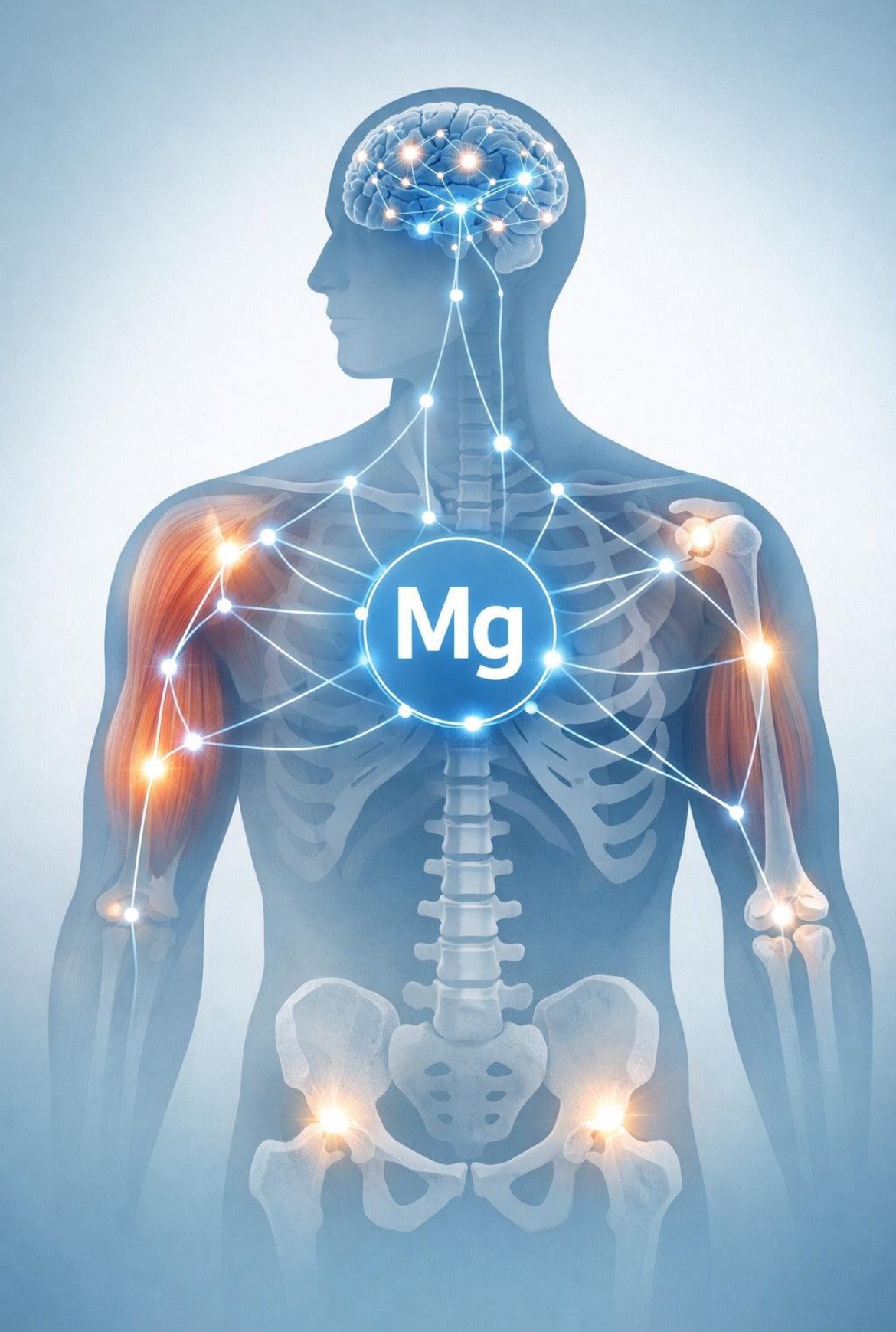
Meta Description: Discover the science-backed benefits of magnesium, including muscle function, sleep, heart health, brain health, recommended dosage, food sources, side effects, and who may benefit from supplementation.
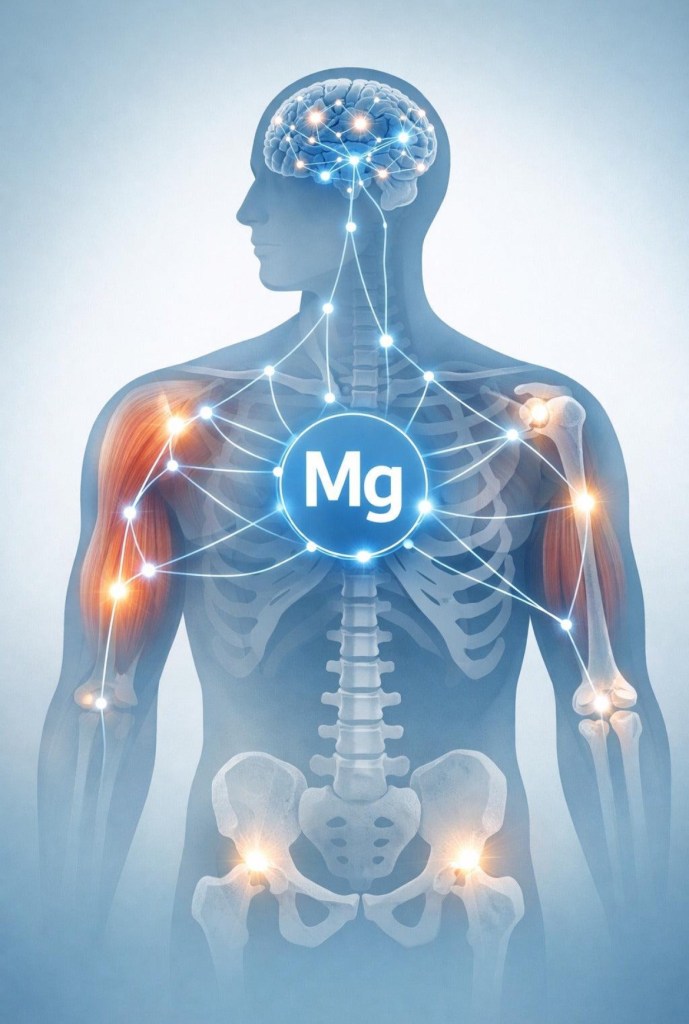
Magnesium: The Essential Mineral for Energy, Muscles, Sleep, and Heart Health
🧠 Did you know that magnesium is involved in more than 300 biochemical reactions in the human body?
From producing energy and maintaining normal muscle function to supporting heart rhythm and healthy sleep, magnesium is one of the most important minerals for overall health.
Despite its importance, many adults fail to meet their daily magnesium requirements through diet alone.
This article explores what magnesium does, its proven health benefits, recommended intake, food sources, safety considerations, and what current scientific evidence says about supplementation.
What Is Magnesium?
Magnesium is an essential mineral required for numerous physiological functions.
It contributes to:
✅ Energy production (ATP)
✅ Muscle contraction and relaxation
✅ Normal nerve function
✅ Protein synthesis
✅ DNA and RNA synthesis
✅ Bone health
✅ Blood glucose regulation
✅ Blood pressure regulation
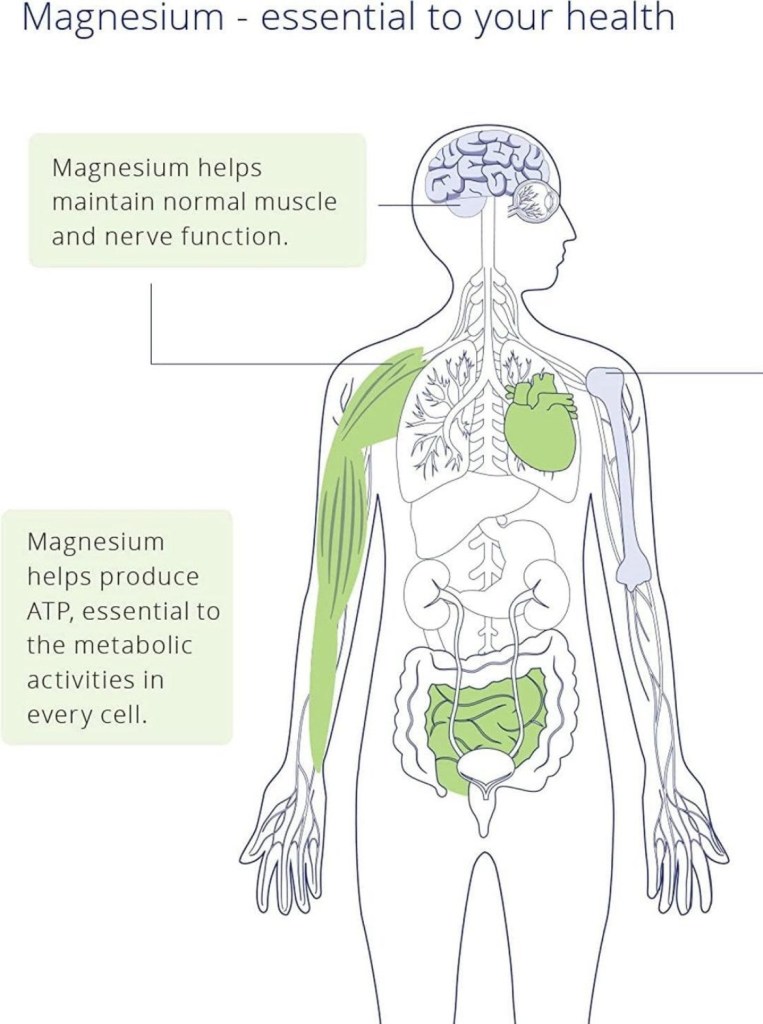
Because the body cannot produce magnesium, it must be obtained through food or supplements.
How Magnesium Works
Food Intake
⬇️
Magnesium Absorption
⬇️
Cellular Transport
⬇️
More Than 300 Enzymatic Reactions
⬇️
⚡ ATP Production
💪 Muscle Function
🧠 Nervous System
❤️ Heart Rhythm
😴 Sleep Quality
🦴 Bone Health
Health Benefits of Magnesium
💪 1. Supports Muscle Function
Magnesium helps muscles contract and relax normally.
Low magnesium levels may contribute to:
• Muscle cramps
• Twitching
• Weakness
• Reduced exercise performance
Athletes and physically active individuals may have increased magnesium needs.
😴 2. May Improve Sleep Quality
Magnesium participates in neurotransmitter regulation and supports relaxation.
Some research suggests supplementation may:
• Improve sleep quality
• Promote relaxation
• Reduce nighttime awakenings in certain individuals
More research is needed, but current evidence is encouraging.
❤️ 3. Supports Heart Health

Magnesium contributes to:
• Normal heart rhythm
• Healthy blood pressure regulation
• Proper muscle contraction of the heart
Adequate magnesium intake is associated with cardiovascular health.
🧠 4. Brain and Nervous System Support
Magnesium plays an important role in nerve signaling.
Researchers continue studying its role in:
• Cognitive function
• Mood regulation
• Stress response
• Migraine prevention
Evidence is strongest for migraine prevention in selected individuals.
🦴 5. Bone Health
Approximately 60% of the body’s magnesium is stored in bones.
Magnesium works together with:
• Calcium
• Vitamin D
• Phosphorus
to maintain healthy bone structure.
⚡ 6. Energy Production
Magnesium is essential for ATP metabolism.
Without adequate magnesium, ATP cannot function efficiently.
For this reason, magnesium deficiency may contribute to fatigue and reduced physical performance.
🩸 7. Blood Sugar Regulation
Magnesium plays a role in insulin signaling and glucose metabolism.
Some studies suggest that higher dietary magnesium intake is associated with better metabolic health, although supplementation should not replace standard treatment for diabetes.
Signs of Magnesium Deficiency
Possible symptoms include:
✔ Muscle cramps
✔ Fatigue
✔ Weakness
✔ Tremors
✔ Loss of appetite
✔ Numbness or tingling
✔ Irregular heartbeat (in severe deficiency)
These symptoms are not specific to magnesium deficiency and should be evaluated by a healthcare professional.
Best Food Sources of Magnesium
🥬 Spinach
🥜 Almonds
🌰 Cashews
🎃 Pumpkin seeds
🥑 Avocados
🫘 Black beans
🌾 Whole grains
🍫 Dark chocolate
🥦 Broccoli
🐟 Salmon
A balanced diet is the best way to meet daily magnesium needs.
Types of Magnesium Supplements
Different forms have different characteristics.
Magnesium Glycinate
✅ High absorption
✅ Often used for sleep and relaxation
Magnesium Citrate
✅ Well absorbed
✅ May help relieve occasional constipation
Magnesium Malate
✅ Often used for energy support
Magnesium L-Threonate
✅ Studied for brain health
Magnesium Oxide
✅ High magnesium content
❗ Lower absorption than other forms
Recommended Daily Intake
Recommended Dietary Allowance (RDA):
Adult Men (19–30): 400 mg/day
Adult Men (31+): 420 mg/day
Adult Women (19–30): 310 mg/day
Adult Women (31+): 320 mg/day
Pregnant women may require slightly higher amounts.
Supplementation should be individualized.
Who May Benefit from Magnesium Supplementation?
A healthcare professional may consider supplementation for individuals with:
• Low dietary intake
• Older age
• Certain gastrointestinal disorders
• Increased magnesium losses
• Specific medication use
Routine supplementation is not necessary for everyone.
Possible Side Effects
Magnesium supplements are generally safe when taken as recommended.
Possible side effects include:
• Diarrhea
• Nausea
• Abdominal discomfort
Excessive intake from supplements may cause more serious adverse effects, particularly in individuals with kidney disease.
Drug Interactions
Magnesium may interact with:
• Certain antibiotics
• Bisphosphonates
• Levothyroxine
• Some osteoporosis medications
Take magnesium supplements several hours apart from these medications when advised by a healthcare professional.
Frequently Asked Questions
Is magnesium good for sleep?
Some evidence suggests magnesium may improve sleep quality in selected individuals, though results vary.
Can magnesium reduce muscle cramps?
If cramps are related to magnesium deficiency, correcting that deficiency may help. Not all muscle cramps are caused by low magnesium.
Which magnesium is best?
The ideal form depends on the individual’s health goals and medical history. Magnesium glycinate and citrate are among the most commonly recommended due to their absorption and tolerability.
Can I take magnesium every day?
For many people, magnesium can be taken daily within recommended amounts. Discuss supplementation with a healthcare professional, especially if you have kidney disease or take prescription medications.
Key Takeaways
✔ Essential mineral involved in over 300 biochemical reactions
✔ Supports muscle and nerve function
✔ Helps maintain normal heart rhythm
✔ Plays a role in energy production
✔ Supports healthy bones
✔ May improve sleep quality in some individuals
✔ Best obtained through a balanced diet, with supplements used when appropriate
Conclusion
Magnesium is a fundamental mineral required for hundreds of biological processes that sustain normal human health. It contributes to energy production, muscle and nerve function, cardiovascular health, bone maintenance, and many metabolic pathways.
Although magnesium deficiency is relatively common, supplementation should be based on individual needs rather than routine use. Most healthy adults can obtain adequate magnesium through a varied diet rich in vegetables, legumes, nuts, seeds, and whole grains.
When supplementation is indicated, selecting the appropriate form and dosage should be guided by a qualified healthcare professional. Combined with healthy lifestyle habits, adequate magnesium intake can play an important role in supporting long-term health and well-being.
References
- National Institutes of Health (NIH). Office of Dietary Supplements. Magnesium Fact Sheet for Health Professionals.
- Institute of Medicine. Dietary Reference Intakes for Calcium and Vitamin D.
- DiNicolantonio JJ, O’Keefe JH, Wilson W. Subclinical Magnesium Deficiency: A Principal Driver of Cardiovascular Disease and Public Health Crisis. Open Heart. 2018.
- Gröber U, Schmidt J, Kisters K. Magnesium in Prevention and Therapy. Nutrients. 2015.
- Rosanoff A, Weaver CM, Rude RK. Suboptimal Magnesium Status in the United States. Nutrition Reviews.
- EFSA Panel on Dietetic Products, Nutrition and Allergies. Scientific Opinion on Dietary Reference Values for Magnesium.
- Mayo Clinic. Magnesium Supplements: Benefits and Risks.
About the Author
Matheus Lucas Araújo Sousa, PharmD
💊 Pharmacist | Evidence-Based Health Content Creator
Passionate about translating complex medical and pharmaceutical evidence into clear, practical, and trustworthy health information for the public.
Strategic Health
Evidence-based health information for better living.
 saudeestrategicaart