Category: Vitamins • Bone Health • Immune Health
Reading Time: 10 Minutes
Meta Title
Vitamin D Deficiency: Symptoms, Causes, Treatment & Prevention
Meta Description
Discover the symptoms, causes, diagnosis, and treatment of vitamin D deficiency. Learn what science says about vitamin D and how to maintain healthy levels.
☀️ Vitamin D Deficiency: What You Need to Know
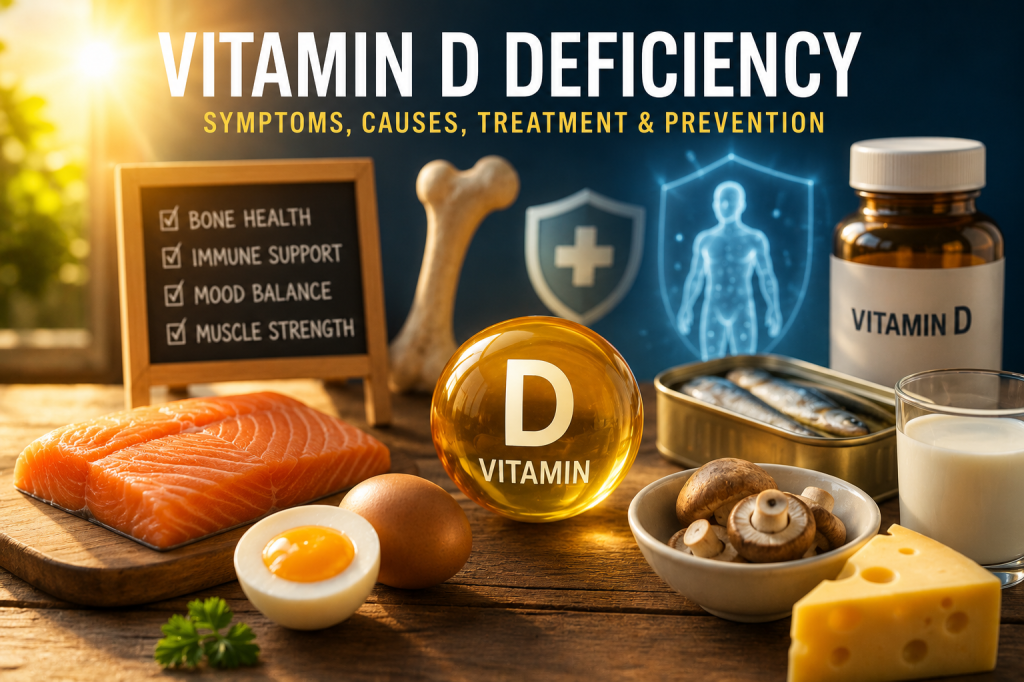
Vitamin D is one of the most important nutrients for maintaining overall health. Often called the “sunshine vitamin,” it plays a key role in bone strength, immune function, muscle performance, and many other physiological processes.
Despite its importance, vitamin D deficiency is common worldwide. Limited sun exposure, dietary habits, aging, and certain medical conditions can all contribute to low vitamin D levels.
In this article, you’ll learn how vitamin D works, the symptoms of deficiency, who is most at risk, and what current scientific evidence says about prevention and treatment.
🧬 What Is Vitamin D?
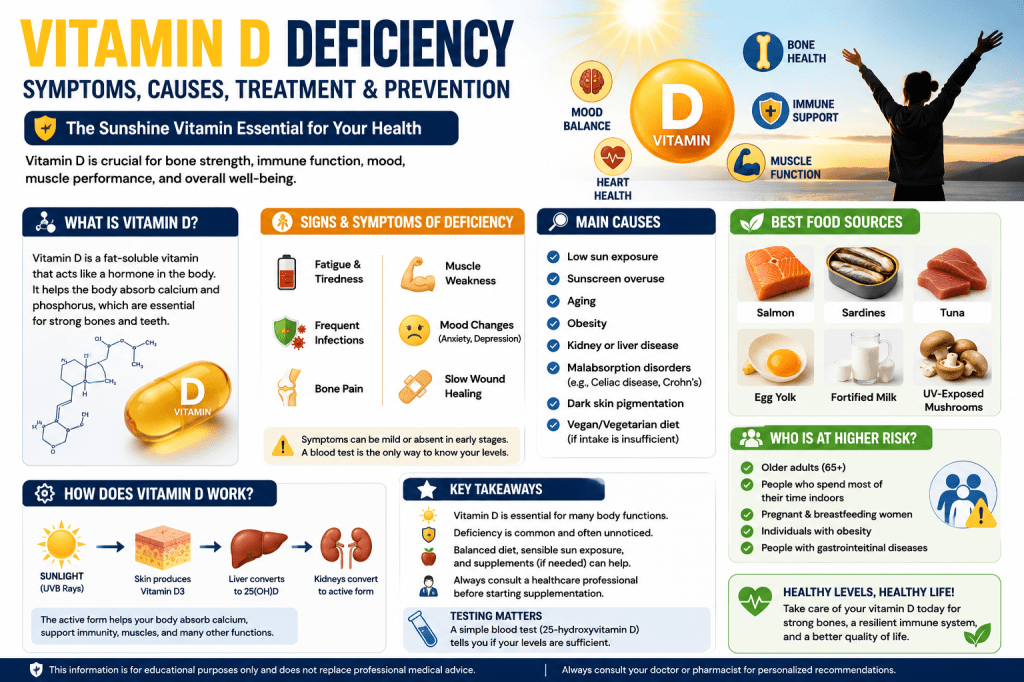
Vitamin D is a fat-soluble vitamin that functions similarly to a hormone. Unlike most vitamins, the human body can produce vitamin D when the skin is exposed to ultraviolet B (UVB) rays from sunlight.
It is also obtained from certain foods and dietary supplements.
Once produced or consumed, vitamin D undergoes activation in the liver and kidneys before becoming biologically active.
The active form of vitamin D helps regulate calcium and phosphorus levels, which are essential for healthy bones, muscles, and nerves.
💪 Why Is Vitamin D Important?
Vitamin D contributes to several essential body functions, including:
- 🦴 Supporting bone mineralization
- 💪 Maintaining muscle strength
- 🛡 Supporting immune function
- ❤️ Contributing to cardiovascular health
- 🧠 Supporting nervous system function
- 🦠 Helping regulate inflammatory responses
Without adequate vitamin D, the body cannot efficiently absorb calcium from food, increasing the risk of bone disorders over time.
📊 Vitamin D Functions
⚠️ Signs and Symptoms of Vitamin D Deficiency
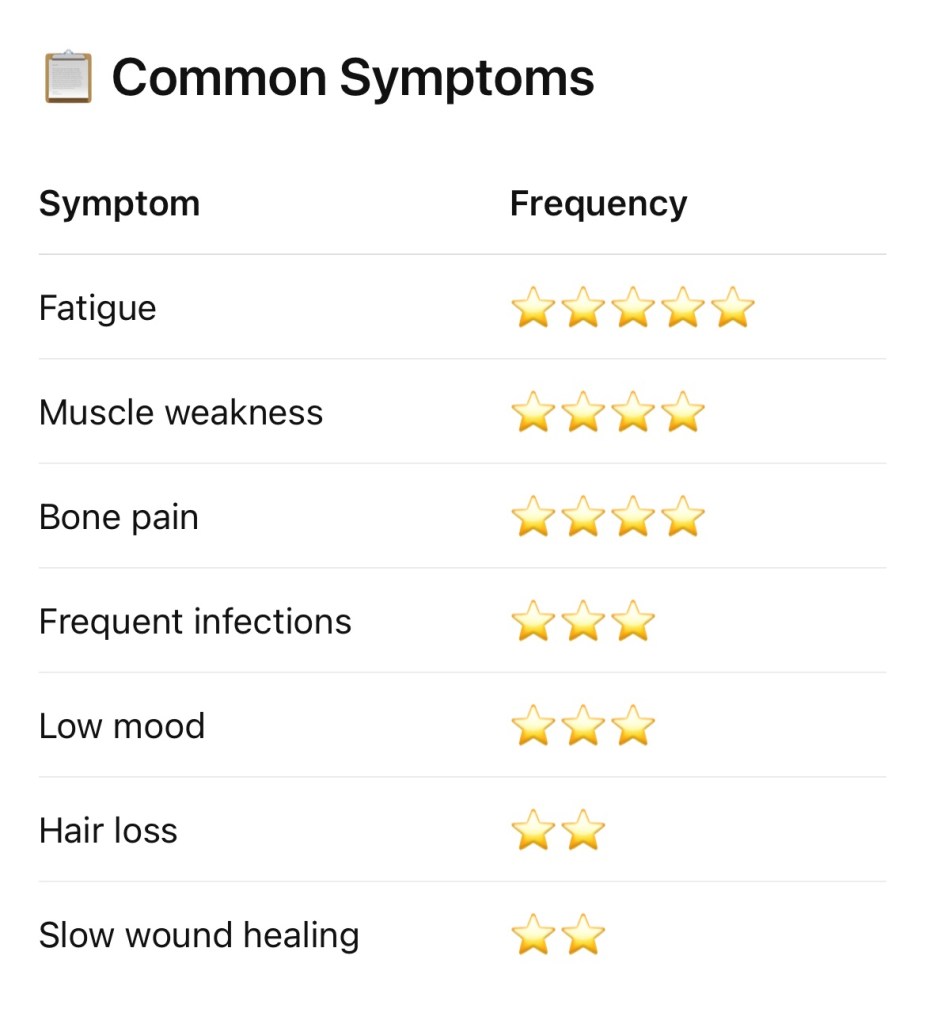
Many people with low vitamin D levels experience no symptoms at first. As deficiency becomes more significant, symptoms may gradually develop.
Common signs include:
✅ Persistent fatigue
✅ Muscle weakness
✅ Bone pain
✅ Frequent infections
✅ Difficulty recovering after illness
✅ Mood changes
✅ Reduced physical performance
In children, severe vitamin D deficiency may contribute to rickets, while prolonged deficiency in adults can lead to osteomalacia.
🔬 How Common Is Vitamin D Deficiency?
Vitamin D deficiency affects millions of people worldwide.
Individuals living in northern regions, spending most of their time indoors, or using extensive sun protection may have a higher likelihood of inadequate vitamin D production.
Older adults are also more susceptible because the skin becomes less efficient at producing vitamin D with age.
🌞 How Does the Body Produce Vitamin D?
When ultraviolet B (UVB) rays from sunlight reach the skin, a natural chemical reaction begins that ultimately leads to vitamin D production.
Several factors influence this process, including:
- Latitude
- Season
- Time of day
- Skin pigmentation
- Age
- Clothing coverage
- Sunscreen use
- Air pollution
- Time spent outdoors
Because these factors vary greatly between individuals and locations, there is no single amount of sun exposure that is appropriate for everyone.
🥗 Dietary Sources of Vitamin D
Although sunlight is the primary source for most people, some foods naturally contain vitamin D or are fortified with it.
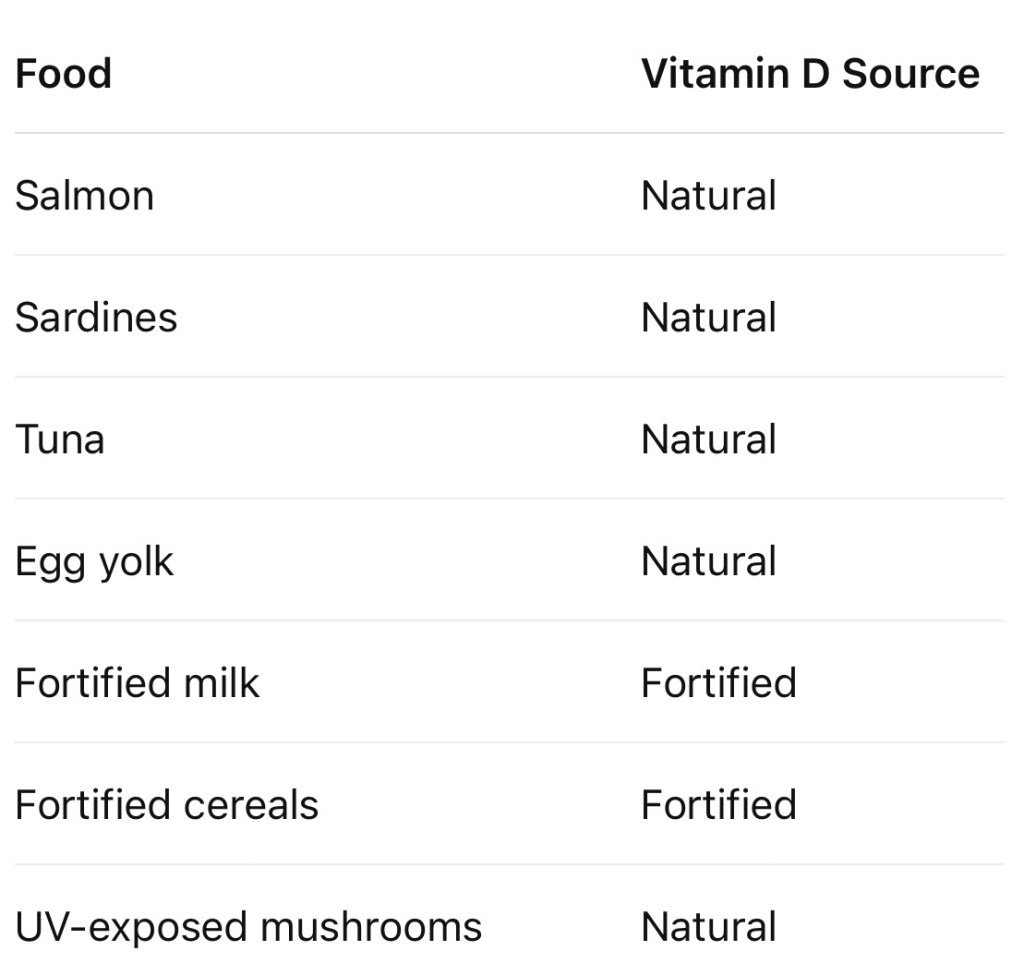
A balanced diet can contribute to vitamin D intake, although food alone may not be sufficient for everyone.
📌 Key Takeaways
✔ Vitamin D is essential for bone, muscle, and immune health.
✔ The body produces vitamin D primarily through sunlight exposure.
✔ Deficiency is common and may occur without noticeable symptoms.
✔ Diet can help, but may not provide enough vitamin D for all individuals.
✔ Evaluation by a healthcare professional may be appropriate when deficiency is suspected.
📚 Scientific References
- National Institutes of Health. Vitamin D – Fact Sheet for Health Professionals. Bethesda, MD: National Institutes of Health. Accessed July 2026.
- Endocrine Society. Vitamin D for the Prevention of Disease: An Endocrine Society Clinical Practice Guideline. Journal of Clinical Endocrinology & Metabolism. 2024.
- Institute of Medicine. Dietary Reference Intakes for Calcium and Vitamin D. Washington, DC: National Academies Press.
- U.S. Preventive Services Task Force. Vitamin, Mineral, and Multivitamin Supplementation to Prevent Cardiovascular Disease and Cancer. JAMA.
- World Health Organization. Micronutrients and Public Health. Geneva: WHO.
- American Association of Clinical Endocrinology. Clinical Practice Guidelines for Vitamin D Deficiency.
- American Society for Bone and Mineral Research. Clinical Recommendations on Vitamin D and Bone Health.
- Harvard T.H. Chan School of Public Health. The Nutrition Source: Vitamin D.
- Mayo Clinic. Vitamin D Deficiency: Symptoms and Causes.
- Cleveland Clinic. Vitamin D Deficiency: Causes, Symptoms, Diagnosis and Treatment.
⚠️ Medical Disclaimer
This article is intended for educational and informational purposes only. It should not be considered medical advice, diagnosis, or treatment. Individual vitamin D needs vary depending on age, health status, lifestyle, geographic location, and other clinical factors. Always consult a qualified physician, pharmacist, or other healthcare professional before starting, changing, or stopping any dietary supplement or treatment.
💊 Author
Matheus Lucas Araújo Sousa, PharmD
Licensed Pharmacist | Evidence-Based Health Writer
Strategic Healths®
 saudeestrategicaart