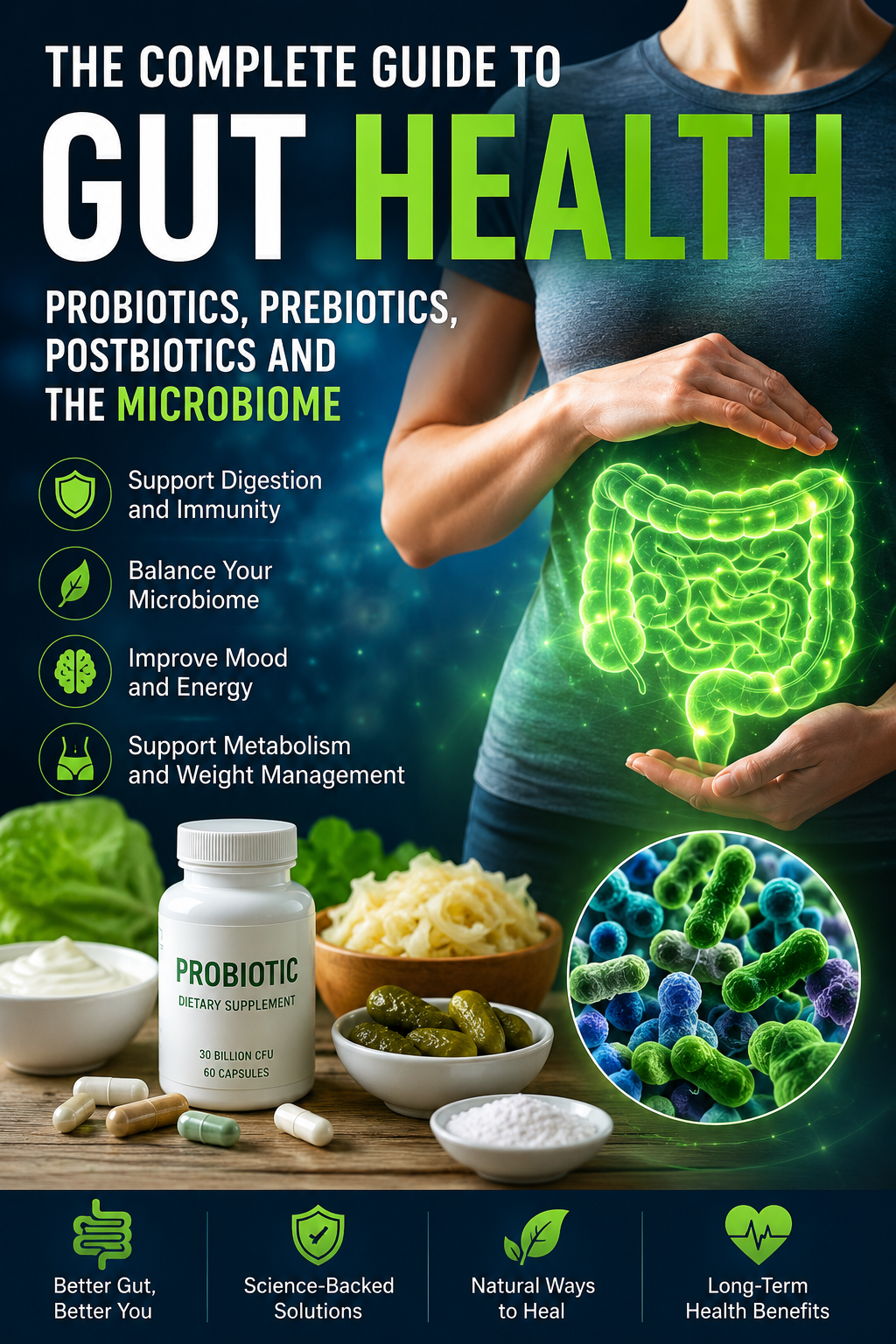
What Science Really Says About Digestive Health, Immunity, Metabolism and Longevity

Gut health has become one of the most searched topics in nutrition, supplementation and preventive health. But behind the trend, there is a real scientific reason: the gut is not only responsible for digestion. It is deeply connected to immunity, inflammation, metabolism, mood, nutrient absorption and even healthy aging.
Inside the digestive tract lives a complex ecosystem known as the gut microbiome. This ecosystem includes bacteria, fungi, viruses and other microorganisms that interact with the human body every day.
When the microbiome is balanced, it may support digestion, immune defense, intestinal barrier function and metabolic health. When it becomes imbalanced, a state often called dysbiosis, it may be associated with digestive discomfort, bloating, irregular bowel habits, inflammation and reduced quality of life.
This article explains, in a clear and evidence-based way, what probiotics, prebiotics, postbiotics and the microbiome really are — and how they may support human health.
🧬 What Is the Gut Microbiome?

The gut microbiome is the community of microorganisms that live mainly in the intestines. These microorganisms help break down food components, produce beneficial compounds and interact with the immune system.
A healthy microbiome is usually associated with:
✅ Greater microbial diversity
✅ Better intestinal barrier function
✅ Balanced immune response
✅ Improved digestion
✅ Production of short-chain fatty acids
✅ Better tolerance to dietary fibers
✅ Support for metabolic and inflammatory balance
The microbiome is influenced by diet, age, medications, antibiotics, sleep, stress, physical activity and lifestyle.
🌱 What Are Probiotics?
Probiotics are live microorganisms that, when consumed in adequate amounts, may provide a health benefit to the host.
They are commonly found in:
🥛 Yogurt with live cultures
🥛 Kefir
🥬 Fermented vegetables
💊 Probiotic supplements
🧫 Specific clinical formulations
However, not all probiotics are the same. Their effects depend on the strain, dose, formulation and health condition being targeted.
For example, one strain may help with antibiotic-associated diarrhea, while another may be studied for irritable bowel syndrome or immune support. This means that “probiotic” is not a generic solution — the specific strain matters.
🥦 What Are Prebiotics?
Prebiotics are compounds, usually specific fibers, that feed beneficial gut microorganisms.
They are not living organisms. Instead, they act as fuel for selected beneficial bacteria.
Common prebiotic-rich foods include:
🧅 Onion
🧄 Garlic
🍌 Green banana
🌾 Oats
🫘 Beans and lentils
🥬 Asparagus
🍎 Apples
🌱 Chicory root
🌾 Whole grains
When gut bacteria ferment prebiotics, they can produce short-chain fatty acids, such as butyrate, acetate and propionate. These compounds may support intestinal barrier function, inflammation control and metabolic health.
🧫 What Are Postbiotics?
Postbiotics are preparations of inanimate microorganisms and/or their components that may provide a health benefit.
Unlike probiotics, postbiotics are not alive. They may include bacterial fragments, metabolites, cell wall components or other biologically active compounds.
Postbiotics are gaining attention because they may offer some advantages:
✅ Greater stability
✅ Longer shelf life
✅ Lower risk of live microbial overgrowth
✅ Easier use in functional foods and supplements
✅ Potential immune and gut barrier effects
This area is still developing, but it is one of the most promising topics in microbiome science.
🔄 Probiotics vs Prebiotics vs Postbiotics

🛡️ Gut Health and Immunity
A large part of immune activity is connected to the gut. The intestinal barrier works like a selective gate: it allows nutrients to be absorbed while helping prevent harmful substances from crossing into the bloodstream.
A balanced microbiome may help:
🛡️ Support immune regulation
🔥 Reduce excessive inflammatory signaling
🧱 Strengthen the intestinal barrier
⚖️ Improve tolerance to harmless dietary and microbial exposures
This does not mean probiotics “boost immunity” in a magical way. A more accurate explanation is that gut-targeted nutrition may help support immune balance.
🔥 Gut Health and Inflammation
Chronic low-grade inflammation is associated with metabolic disorders, obesity, insulin resistance, cardiovascular disease and accelerated aging.
A diet rich in fiber, fermented foods and plant diversity may support a more favorable gut environment. Beneficial bacteria can ferment fibers and produce short-chain fatty acids, which may help regulate inflammatory pathways.
Poor diet, low fiber intake, excess ultra-processed foods, alcohol, chronic stress and poor sleep can negatively affect the gut microbiome.
⚖️ Gut Health and Weight Management
The gut microbiome may influence weight through several mechanisms:
⚙️ Energy extraction from food
🍽️ Appetite signaling
🔥 Inflammatory balance
🧪 Insulin sensitivity
🧠 Gut-brain communication
🧬 Production of microbial metabolites
However, probiotics alone do not cause major weight loss. They should be viewed as supportive tools, not as a replacement for nutrition, physical activity, sleep and medical care when needed.
The strongest strategy for metabolic health remains:
🥦 High-fiber diet
🥩 Adequate protein
🚶 Regular physical activity
😴 Good sleep
💧 Hydration
🧠 Stress management
🩺 Clinical follow-up when necessary
🧠 Gut-Brain Axis: Can the Gut Affect Mood?
The gut and brain communicate through the gut-brain axis. This communication involves nerves, immune signals, hormones and microbial metabolites.
Some research suggests that gut health may influence:
🧠 Mood
😴 Sleep quality
😰 Stress response
🧩 Cognitive performance
🍽️ Appetite regulation
This does not mean probiotics replace mental health treatment. But it does show that digestive health and mental health are more connected than previously believed.
💊 Should Everyone Take a Probiotic?
Not necessarily.
Probiotics may be useful in specific situations, but they should be chosen based on evidence, strain and purpose.
They may be considered for:
✅ Antibiotic-associated diarrhea
✅ Some cases of irritable bowel syndrome
✅ Certain digestive complaints
✅ Support during or after antibiotic use
✅ Specific pediatric or clinical uses under supervision
Caution is important for:
⚠️ Severely immunocompromised individuals
⚠️ Premature infants
⚠️ Critically ill patients
⚠️ People with central venous catheters
⚠️ Patients with severe intestinal disease
In these cases, probiotics should only be used with professional guidance.
🛒 How to Choose a Probiotic Supplement
When choosing a probiotic, look for:
🔬 Strain identification
Example: Lactobacillus rhamnosus GG is more specific than just “Lactobacillus.”
📦 CFU count until expiration
The label should ideally guarantee potency through the expiration date.
🎯 Purpose-specific evidence
Choose a probiotic studied for the condition you want to support.
🌡️ Storage instructions
Some require refrigeration; others are shelf-stable.
🧾 Third-party testing
Quality matters because probiotic supplements can vary in purity and potency.
👨⚕️ Professional guidance
Especially if you have chronic disease, take medications or are immunocompromised.
🍽️ Best Foods for Gut Health
A gut-friendly diet is usually based on diversity, fiber and minimally processed foods.
🥦 Fiber-Rich Foods
✅ Beans
✅ Lentils
✅ Chickpeas
✅ Oats
✅ Fruits
✅ Vegetables
✅ Nuts and seeds
✅ Whole grains
🥛 Fermented Foods
✅ Yogurt with live cultures
✅ Kefir
✅ Sauerkraut
✅ Kimchi
✅ Miso
✅ Tempeh
🌈 Plant Diversity
A practical goal is to include different plant foods throughout the week. More diversity may help support a more diverse microbiome.
🚫 What Can Harm the Gut Microbiome?
Several factors may negatively affect gut balance:
❌ Low-fiber diet
❌ Excess ultra-processed foods
❌ Frequent unnecessary antibiotic use
❌ Chronic stress
❌ Poor sleep
❌ Excess alcohol
❌ Sedentary lifestyle
❌ Very restrictive diets without guidance
The microbiome responds to daily habits. Small improvements repeated consistently can make a difference.
🧭 Practical Gut Health Routine
Morning
💧 Drink water
🥣 Include fiber at breakfast
🚶 Move your body
🌞 Get sunlight exposure
Lunch
🥗 Add vegetables
🫘 Include legumes when possible
🥩 Prioritize protein
🌾 Choose whole grains
Afternoon
🍎 Choose fruit, nuts or yogurt
💧 Maintain hydration
😮💨 Manage stress
Evening
🥘 Eat a balanced dinner
📵 Reduce screens before sleep
😴 Prioritize sleep quality
✅ Key Takeaways
🦠 The gut microbiome is a complex ecosystem that affects digestion, immunity, metabolism and inflammation.
🌱 Probiotics are live microorganisms that may provide benefits when strain, dose and indication are appropriate.
🥦 Prebiotics are fibers that feed beneficial bacteria.
🧫 Postbiotics are inactive microbial preparations or components with potential health benefits.
⚖️ Gut health is not built by one supplement alone. It depends on diet quality, fiber intake, sleep, stress control, physical activity and responsible medication use.
💊 Probiotic supplements can be useful, but they should be selected carefully and used with proper guidance.
🧠 Final Conclusion
Gut health is one of the most important pillars of modern preventive health. The microbiome acts as a bridge between nutrition, immunity, metabolism and overall well-being.
For most people, the best first step is not an expensive supplement, but a consistent lifestyle foundation: more fiber, more plant diversity, fermented foods when tolerated, better sleep, less ultra-processed food and regular physical activity.
Probiotics, prebiotics and postbiotics can be powerful tools, but they work best when used with scientific reasoning — not as trends, but as targeted strategies.
As microbiome science continues to evolve, one message is already clear: taking care of the gut is also taking care of the whole body.
📚 Scientific References
- National Institutes of Health. Probiotics — Health Professional Fact Sheet. Office of Dietary Supplements. Updated 2025.
- World Gastroenterology Organisation. Global Guidelines: Probiotics and Prebiotics. 2023.
- Salminen S, Collado MC, Endo A, et al. The International Scientific Association of Probiotics and Prebiotics consensus statement on the definition and scope of postbiotics. Nature Reviews Gastroenterology & Hepatology. 2021.
- National Center for Complementary and Integrative Health. Probiotics: Usefulness and Safety.
- Markowiak P, Śliżewska K. Effects of Probiotics, Prebiotics, and Synbiotics on Human Health. Nutrients. 2017.
- Harvard Health Publishing. How to Feed Your Gut. Harvard Medical School. 2025.
👨⚕️ Author
Matheus Lucas Araújo Sousa
Pharmacist | Evidence-Based Health Content Creator
Strategic Health
Educational content only. This article does not replace medical diagnosis, treatment or individualized professional guidance.
Leave a Reply